

O. O. wines and people.
And Fr Blue.
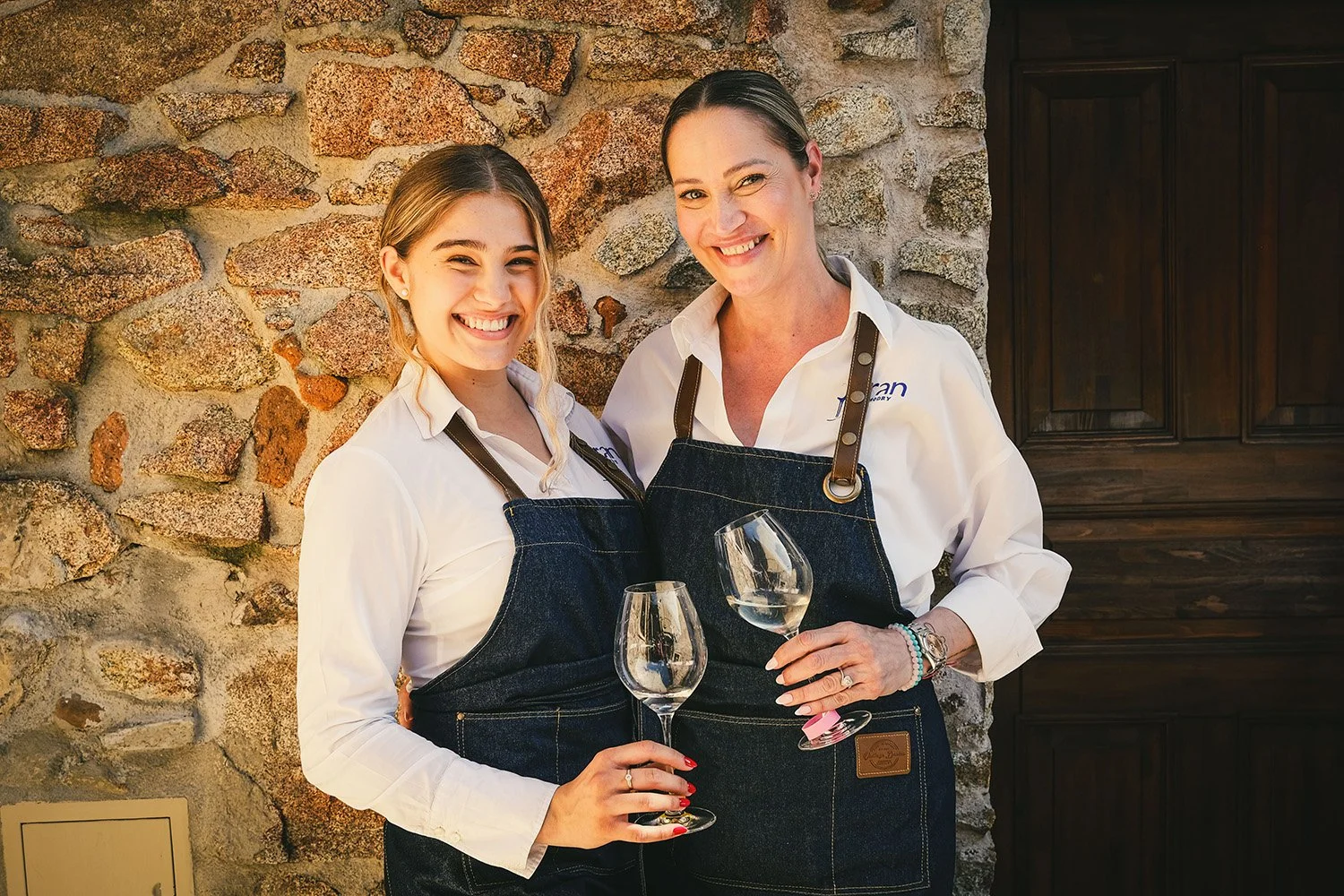
Juran of Modra
Tasting in the historical cellar of the mayor's house from the 16th century on Modran square.
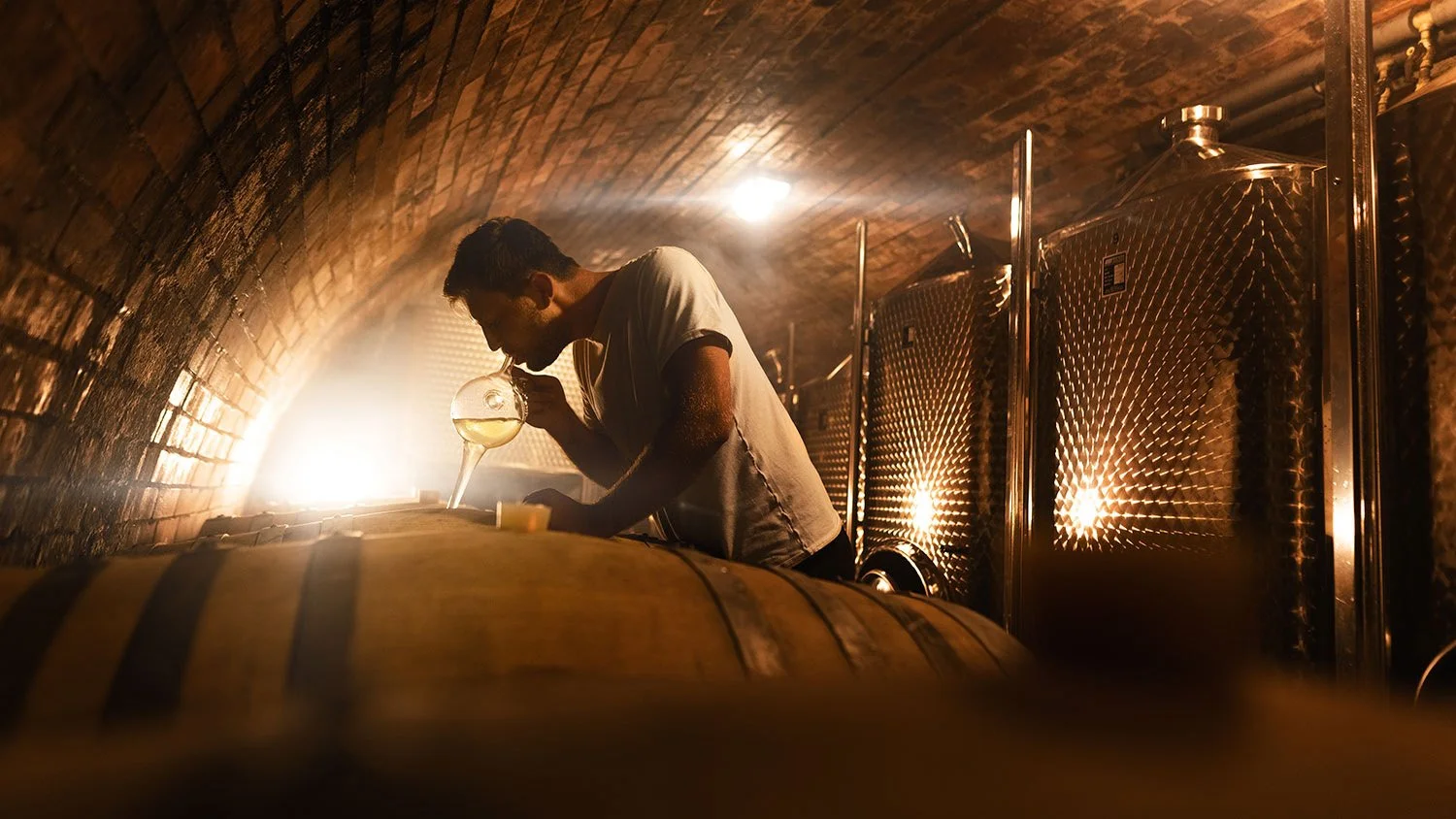
Rariga Winery
A historic cellar on Modran square full of the best Rieslings.
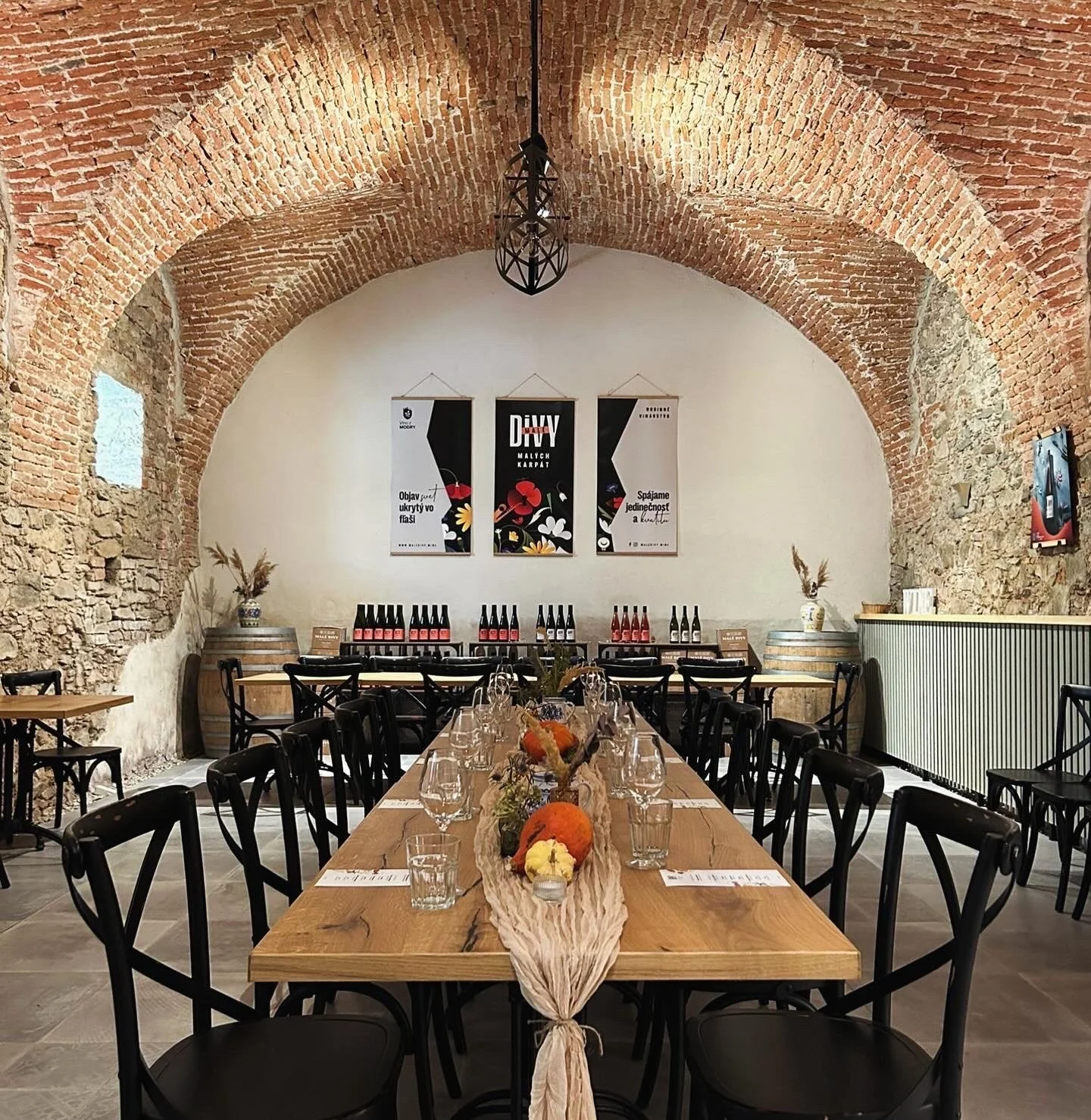
Little wonders
Discover the magical historic cellar on Modran Square.
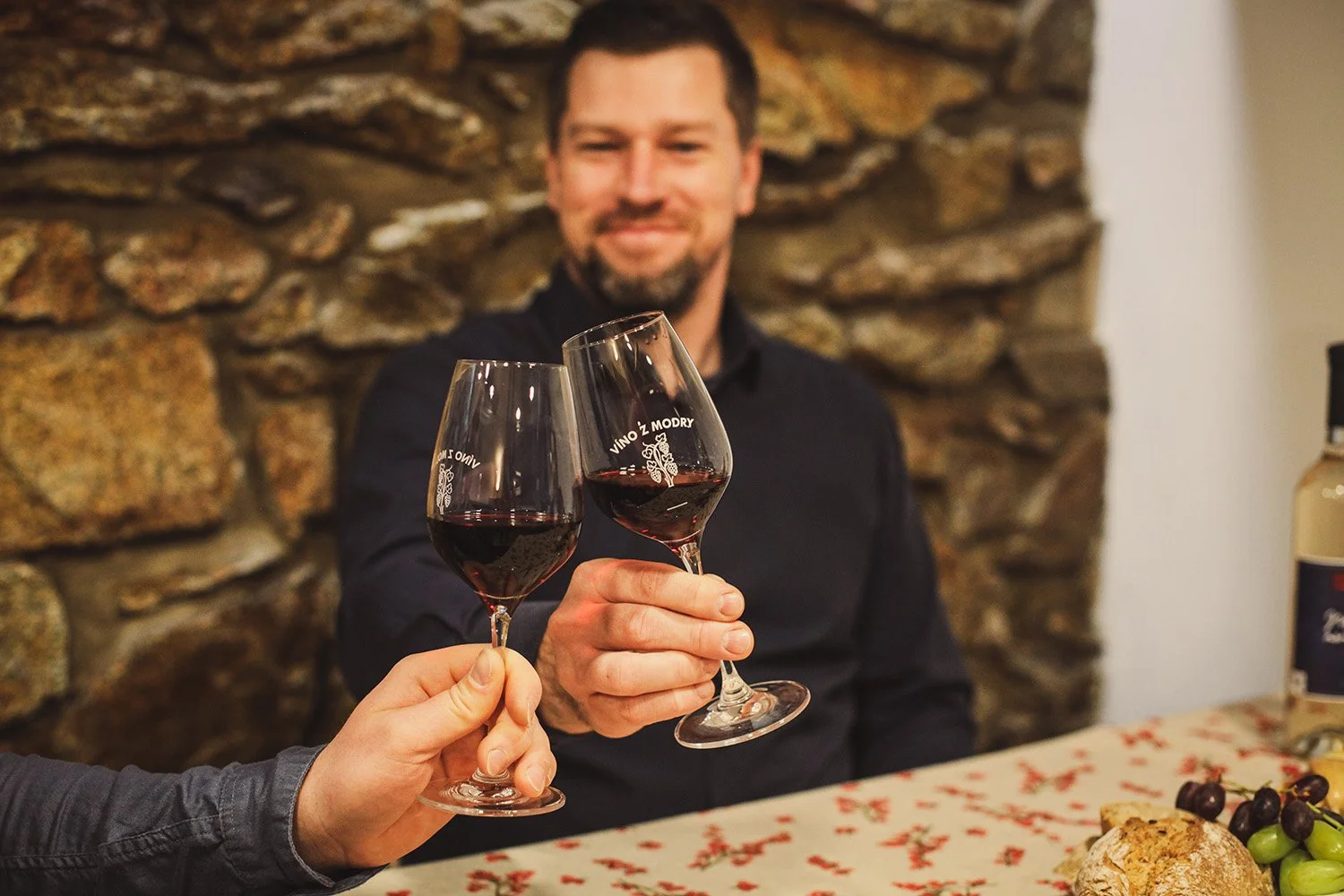
Kmeťo wine
Wine tasting right in the premises of the winery, a hop away from the historic center of Modra.
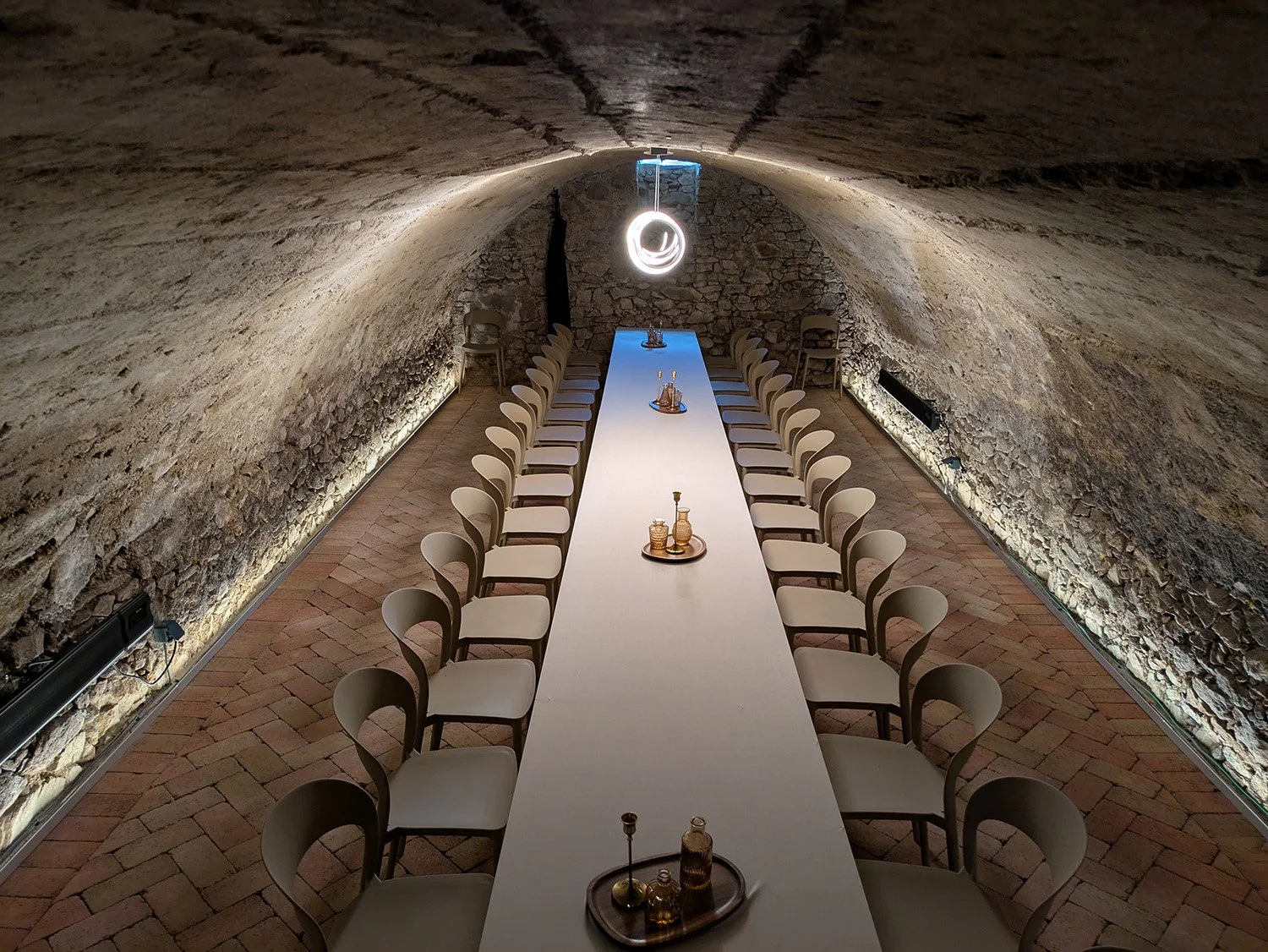
Tri Hony
Wine tasting in the beautiful cellar of the family winery.
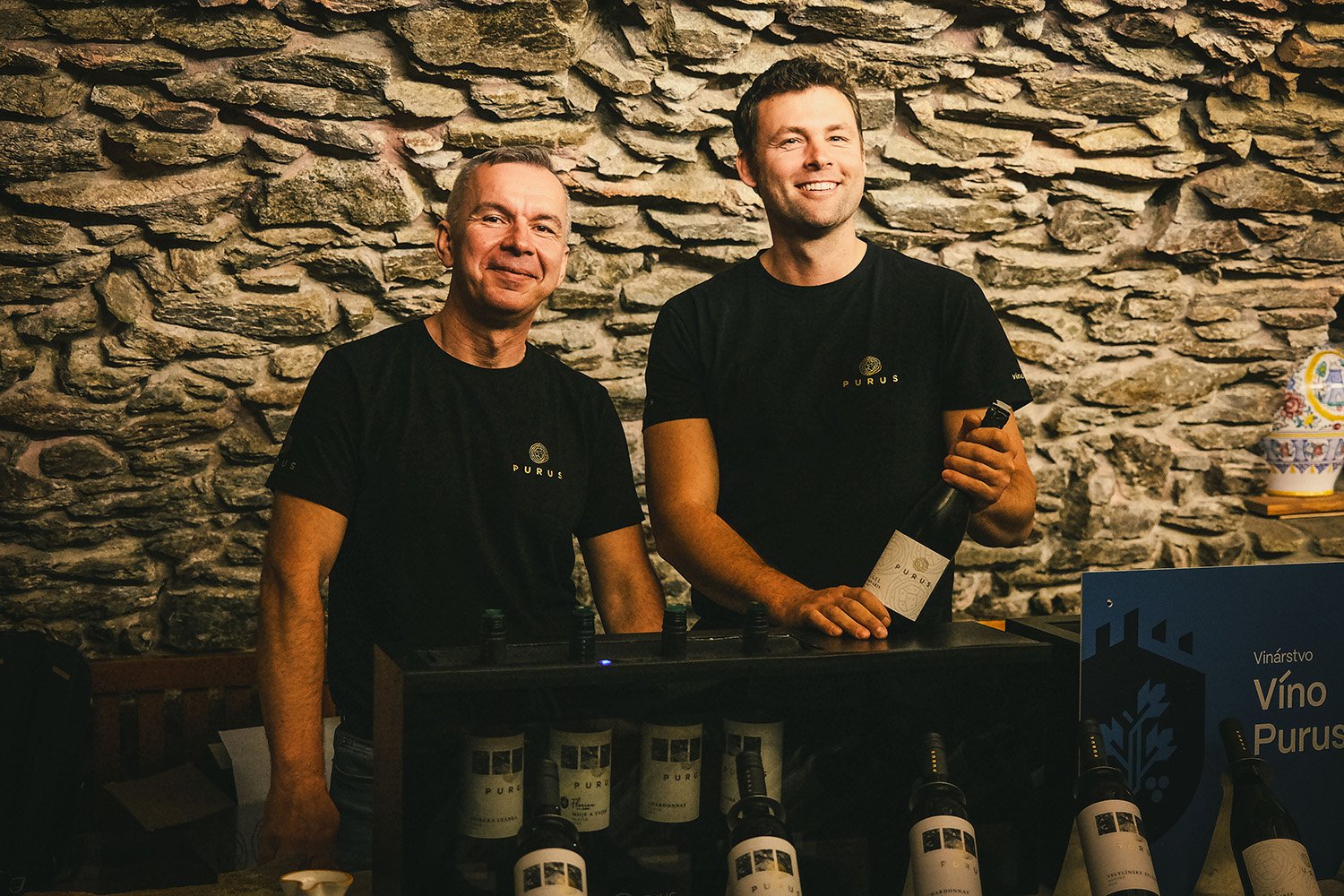
Purus Wine
A historic cellar on Modran square or a tasting in a vineyard.
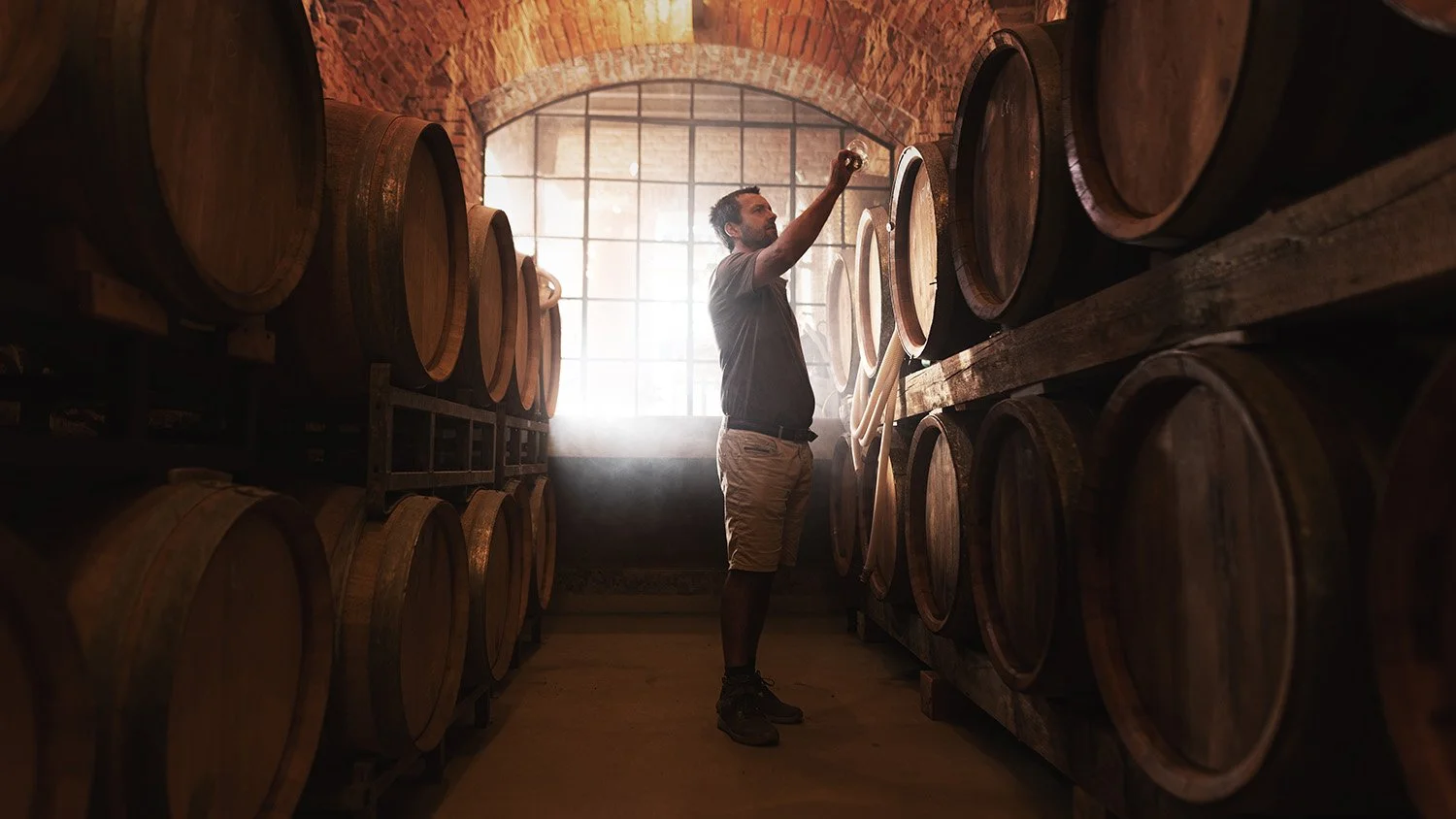
Fedor Malík and son.
Wine tasting right in the winery on Modranské námestí.
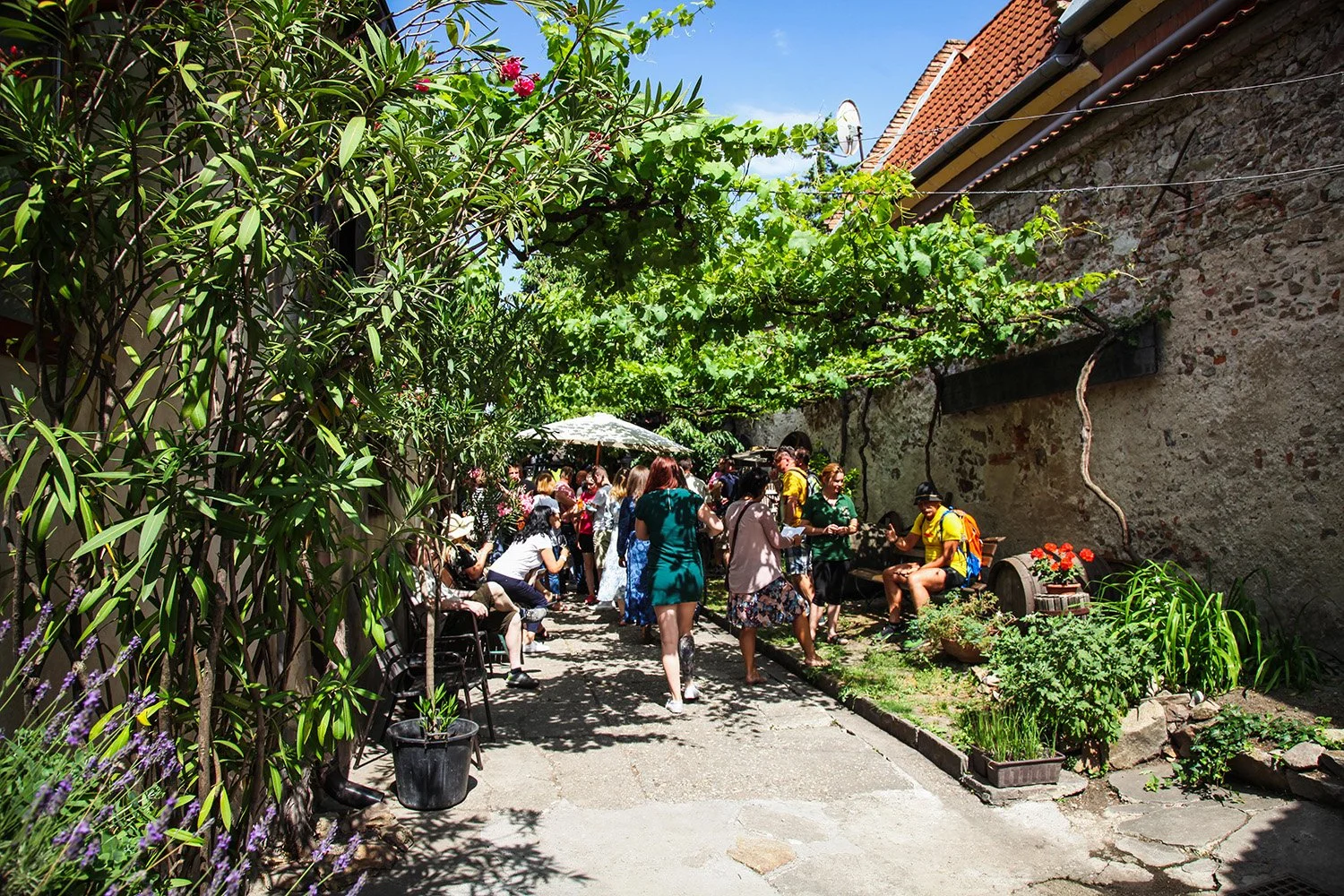
Krajčovič Modra
Wine tasting in a vineyard house with a cellar, or directly in the vineyard.

Fiala Wine
Wine tasting in the vineyard connected with production in the center of Modra.

Vila Horná – Your base in the heart of Modra
2 stylishly comfortable apartments in the historic center of Modra - Adela and Ľudovít.

Café and confectionery Roma
Roma is one of the oldest cafes and pastry shops in Modra. In the summer season, it also offers Balkan-type ice cream.

Blue City
Whether you want poké, Asian specialties or Slovak classics in a modern design, the restaurant is the ideal choice for you.
Memorial plaque on the site of the former Jewish cemetery
In 1999, a commemorative plaque was installed on the site of the former Jewish cemetery in Modra. The last surviving tombstone commemorates its turbulent history. During World War II, Modran Jews were taken to fascist concentration camps, where almost all perished, only a few returned. In 1960, there was only one Jewish family left in Modra to take care of maintaining the graves in the cemetery.
Statue of Saint John of Nepomuk
The statue of St. John of Nepomuck was probably also originally located by the stream in Modra. Today it is located near the Roman Catholic Church of St. Stephen the King in Modra. Saint John of Nepomuk is venerated as a martyr of the confessional secret and a patron in natural disasters and floods. Depictions of him can be found in various places, especially on bridges.
The Schnell House
Town house in Modra, where Ľudovít Štúr lived during the last five years of his life. In 1924, a bronze memorial plaque dedicated to Ľudovít Štúr was installed on the facade of the house.
Emresz House
The Renaissance burgher's vineyard house belonged to the Emresz family in the 19th century. After the death of her husband Karol Štúr, Rosina, née Emreszová, moved here with her seven children. Ľudovít Štúr lived here for the last three weeks of his life after his injury. In 1956, the Ľudovít Štúr Memorial Room was opened here. Today, the Emreszovský house is the seat of the SNM – Museum of Ľudovít Štúr.
Evangelical Orphanage
The building of the evangelical orphanage was ceremoniously opened in May 1913 according to the projects of the architect Dušan Jurkovič, who incorporated the building of the orphanage into the construction of the former mill.
The money for the construction of the orphanage also flowed from the all-Slovak collection, which was instigated by Pavel and Samuel Zochovci. The orphanage was built in a simple style, with a wide staircase leading from the main entrance to the upper floor, where there were children's bedrooms. In 1951, the General Episcopal Office of the Evangelical Church and the Faculty of Theology took over the management of the building. From 1964, the former orphanage was a dormitory for the Secondary Pedagogical School in Modra. The orphanage building was returned to the Evangelical Church in Modra in 1993.
The building of the former evangelical gymnasium
The classicist building of the former evangelical gymnasium was built in 1826 on the site of the original gymnasium from the 17th century. In the years 1839 – 1846, Ľudovít Štúr's older brother Karol Štúr worked as rector here. After his departure, the writer Janko Kalinčiak took over the position of rector of the gymnasium.
The Modran grammar school was very popular, because in addition to Latin and German, students also learned Slovak. Due to lack of funds, the gymnasium closed in 1870. Later, the gymnasium building served the needs of elementary and kindergarten, and is now almost unused. There are three memorial plaques on the building.
Synagogue
The original building representing historicism was built in 1902 together with the mikveh, a ritual bath. After the Second World War, the sacral function of the synagogue was replaced by a pottery factory, when it was rebuilt by building a second floor. Currently, the building serves as a private studio.
Golgotha sculpture
The Golgotha stone sculpture is an important sacred and artistic work presenting the late Baroque. It features the crucified Jesus Christ, figures of the Virgin Mary, St. John the Evangelist and St. Mary Magdalene in larger-than-life sizes.